Photochromic Lenses: One Pair, Every Condition
Cyclists, runners, triathletes, boaters, golfers — any athlete who trains or competes at night, dawn, or dusk should wear a pair of high-performance photochromic sports sunglasses. These adaptive lenses respond to UV exposure in real time, lightening or darkening within seconds, so you get crisp, clear vision no matter the conditions. This makes them ideal for everything from winter’s flat light to the glare off fresh snow, or cloudy mornings that turn into blazing afternoons. They also perform when alternating between bright sunlight and dark shade (or a tunnel) on a bike ride, or during that late afternoon round of golf that stretches into early evening. Bottom line, when lighting is unpredictable, photochromic lenses give you clarity you can count on.
How Photochromic Lenses Adapt
Unlike other lenses that apply an adaptive film over traditional lenses, Rudy Project ImpactX® lenses embed photochromic dye into the lens itself. The dye contains molecules that react to UV light by absorbing the UV rays and some visible light. Since the molecules block UVA and UVB rays, these lenses can still protect the wearer’s eyes even when the lens is clear. The advantage of colored lenses is that they provide a higher degree of contrast, clarity, and depth perception to match the amount of ambient light available.
From Night to Day to Night
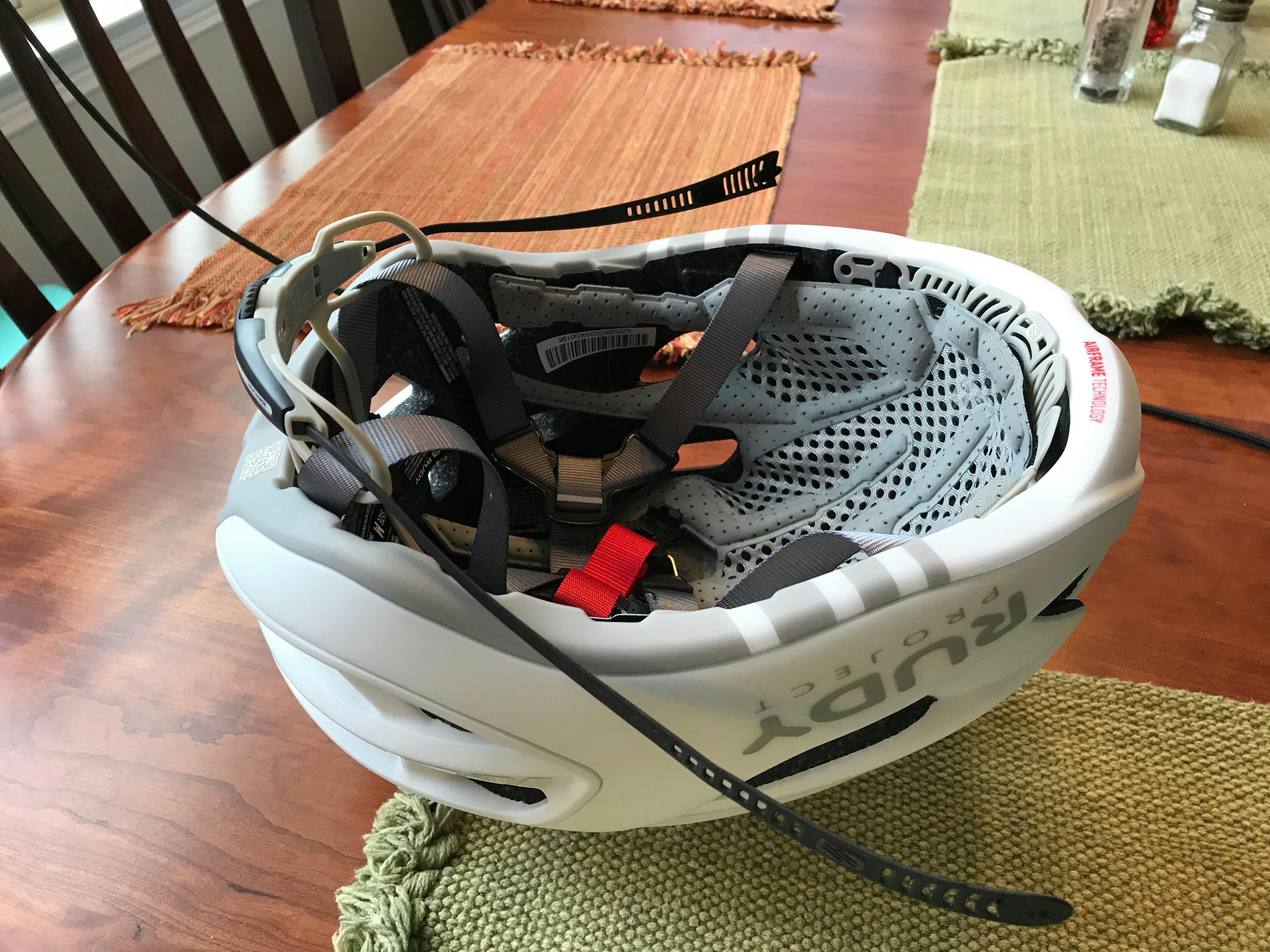
Here’s a scenario that showcases the versatility and utility of photochromic lenses. An Ironman triathlete pulls on her Rudy Project Cutline frames with red ImpactX® lenses and heads out the door in the pre-dawn darkness. While nearly clear, the slight red tint mitigates glare from oncoming headlights as she hitches a ride down to the staging area for her Ironman race. She sets up her transition area in the dark, never worrying about misplacing her sunglasses because she’s already wearing them. Before the start, she places her cycling helmet upside down on her bike's handlebars and sets her glasses in it. When she emerges from the swim leg and changes into her bike gear, her glasses will be right there waiting for her.
After she completes the swim leg, the out leg of the bike portion heads directly into the rising sun. Her photochromic lenses adapt to direct sunlight within seconds, turning dark and reducing eye strain. By mid-afternoon, she finishes the bike and heads out on the run leg just as dark thunderclouds roll in. Her lens adjusts automatically to let more light through, allowing her to see the road ahead clearly for the next four hours. It’s early evening when she crosses the line, and night has fallen by the time she’s making her way back home. Except for her time in the water, she’s worn her Cutline performance sunglasses the entire time. One pair, one lens, endless protection and clarity.
Rudy Project Photochromic Sunglasses for Every Sport
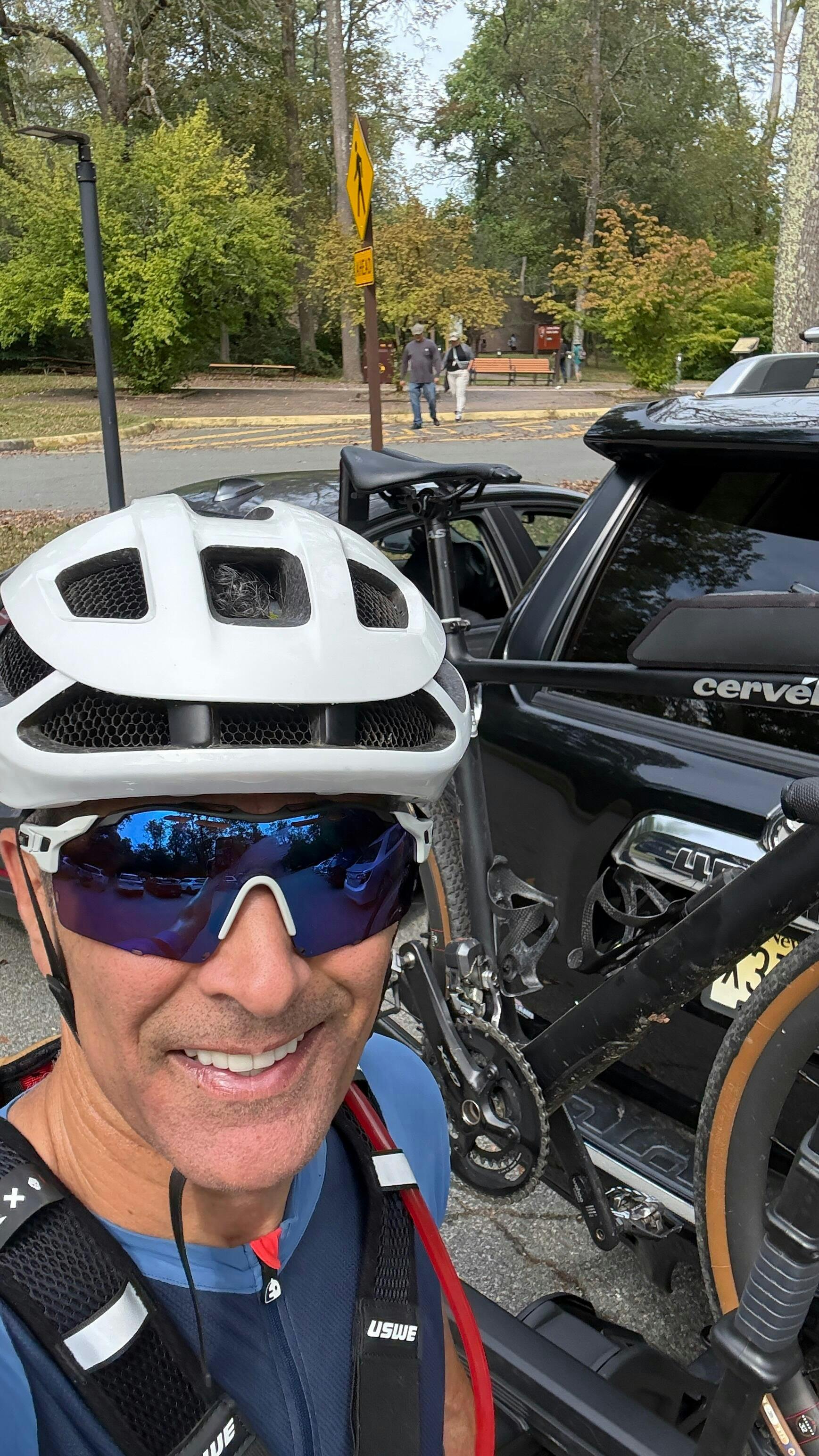
Cyclists: For riders who demand wide, unobstructed vision and lens clarity that adapts to changing conditions, the Deltabeat, Astral Sphere, and Spinshield Air offer ideal solutions. These Rudy Project cycling sunglasses are built for speed and precision, with wraparound designs that maximize protection and reduce distractions.
Runners: Whether you're logging early morning miles or racing through sunset, Rudy Project’s Rydon, Tralyx+, and Propulse photochromic sunglasses provide adaptive visibility and lightweight comfort. Enhanced ventilation systems support airflow and heat release, helping to minimize fog even when you’re pushing your pace.
Mountain Bikers & Winter Athletes: When your sport demands full-face protection and clear vision through variable terrain and lighting, Rudy Project’s Turbolence and Agent Q models rise to the challenge. These frames are engineered for high-speed airflow, moving heat away from the lenses while delivering the coverage and durability required for rugged rides or snowy descents.
Pro Tip: Better Performance from Photochromic Sunglasses
While athletes can wear their adaptive lenses 24/7 year-round, the molecules that make them work can become less effective over time. Temperature also affects how reactive the lens is to light transitions. The colder the air temp, the faster they work, which makes them ideal for pre-dawn to early morning training sessions and events. If you live in a hot climate, try this hack to optimize your photochromic lens performance: Stick the sunglasses in the refrigerator for a few hours before using them in direct sunlight and high temperatures.
Another smart advantage: Rudy Project performance sunglasses are built to last — and built to evolve. When your photochromic lenses wear out, you can easily swap in a fresh set to keep your vision razor sharp. There’s no need to give up the frames you know and trust — just upgrade the lenses and keep going.